
Understand your pain & movement
Symptoms can have several causes. Explore information, then ask for an individual assessment.
29 care guides
A guide explains a care option; treatment suitability and current availability are confirmed by the clinic.
Care guides

Back & spine
Lower Back Pain Physiotherapy
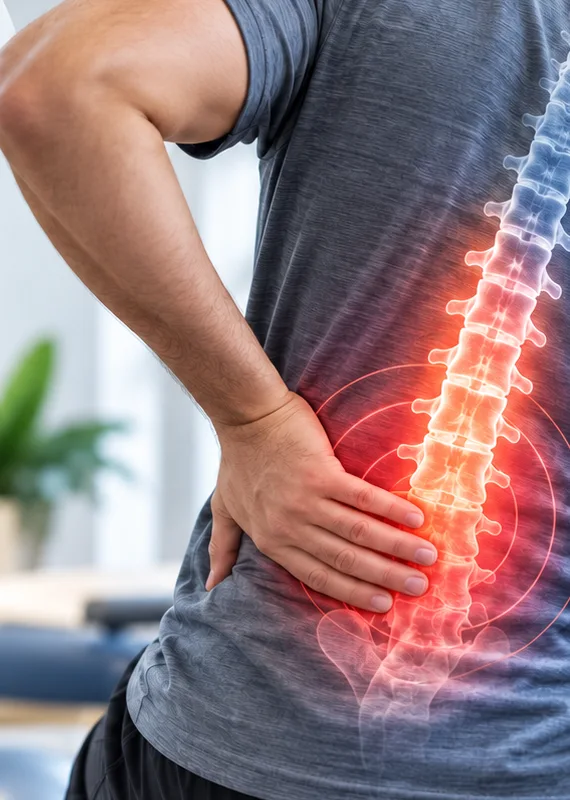
Lower-back discomfort can make it difficult to bend, rise from a chair, work at a desk or sleep comfortably.
Explore careBack & spine
Sciatica Physiotherapy
Assessment for symptoms travelling from the back into a leg.
Explore care
Back & spine
Neck Pain Physiotherapy
Assessment for neck stiffness and restricted movement.
Explore careBack & spine
Cervical Spondylosis Physiotherapy
Cervical spondylosis describes age-related changes in the neck; some people have pain or stiffness, while many have no symptoms from imaging findings alone.
Explore care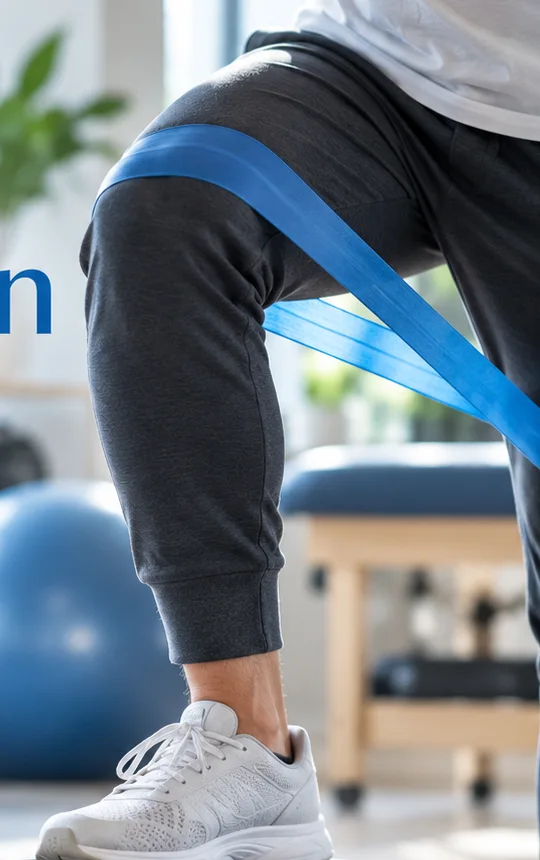
Back & spine
Disc Bulge Rehabilitation
An imaging report may mention a bulging disc, but its relevance depends on the symptoms and examination.
Explore care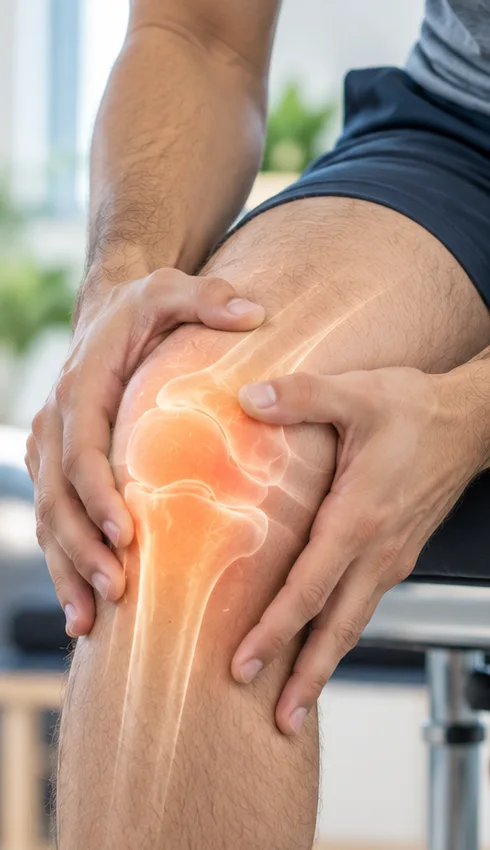
Joints & muscles
Knee Pain Physiotherapy
Support for comfortable walking, stairs and activity.
Explore care
Joints & muscles
Shoulder Pain Physiotherapy
Shoulder pain can make reaching overhead, dressing or sleeping difficult.
Explore careJoints & muscles
Frozen Shoulder Physiotherapy
Frozen shoulder often causes gradually increasing stiffness and pain that can interfere with dressing, reaching and sleep.
Explore careJoints & muscles
Joint Pain Physiotherapy
Support for joint mobility, strength and daily activity.
Explore care
Joints & muscles
Carpal Tunnel Physiotherapy
Carpal tunnel syndrome can involve tingling, numbness or weakness in the hand, often affecting the thumb and nearby fingers.
Explore careJoints & muscles
Tennis Elbow Physiotherapy
Tennis elbow usually describes pain on the outside of the elbow, often noticed during gripping, lifting or repetitive work.
Explore careJoints & muscles
Trigger Finger Physiotherapy
Trigger finger may cause catching, clicking or a finger that feels stuck when bending or straightening.
Explore care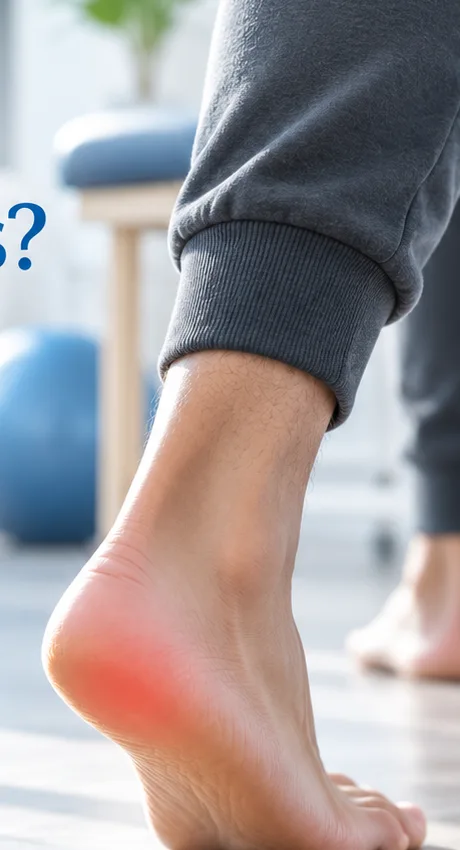
Foot & lower limb
Plantar Fasciitis Physiotherapy
Plantar heel pain is often most noticeable during the first steps after rest or after prolonged standing.
Explore careFoot & lower limb
Heel Pain Physiotherapy
Heel pain may arise from plantar fascia irritation, tendon problems, nerve issues or other conditions.
Explore careFoot & lower limb
Leg Pain & Numbness Assessment
Pain, tingling or reduced sensation in a leg can come from several causes, including nerve irritation, circulation problems or other medical conditions.
Explore care
Neurological rehabilitation
Stroke Rehabilitation
After a stroke, people may need help with movement, balance, walking, upper-limb tasks and daily activities.
Explore careNeurological rehabilitation
Facial Palsy Rehabilitation
Facial weakness may occur after Bell's palsy or for other reasons, and a sudden facial change must not automatically be attributed to a benign nerve condition.
Explore careNeurological rehabilitation
Balance & Mobility Rehabilitation
Poor balance or difficulty walking can reduce confidence and independence.
Explore careNeurological rehabilitation
Vertigo Rehabilitation
Vertigo is a sensation of movement or spinning and has several possible causes.
Explore careInjury & recovery
Sports Injury Physiotherapy
Sports and fitness injuries can interrupt training and everyday activity.
Explore careInjury & recovery
Muscle Injury Rehabilitation
A muscle strain can cause pain, weakness or difficulty performing a movement, but not every sudden ache is a simple strain.
Explore careInjury & recovery
Post-Injury Rehabilitation
Recovery after an injury is about more than the absence of pain.
Explore careInjury & recovery
Post-Surgical Rehabilitation
Rehabilitation after surgery needs to respect the procedure performed, surgeon instructions and the body's healing timeline.
Explore careInjury & recovery
Muscle Spasm Physiotherapy
People use the term muscle spasm to describe sudden tightening, cramping or painful guarding.
Explore careInjury & recovery
Muscle Weakness Rehabilitation
Muscle weakness can appear after inactivity or injury, but may also indicate neurological or other medical problems.
Explore careBack & spine
Headache & Migraine-Related Neck Care
Some headaches are associated with neck movement or muscle and joint problems, but migraine and other headache disorders require the right medical assessment.
Explore careNo matching guides. Try a broader term or ask the clinic.
Book your assessmentReady to move better
Ready to move better
and feel more confident?
Start with a personal assessment and a plan around your goals.

Individual assessmentUnderstand your movement

A personal care planCare built around your goals

Back to your routinePractical steps forward

 Call